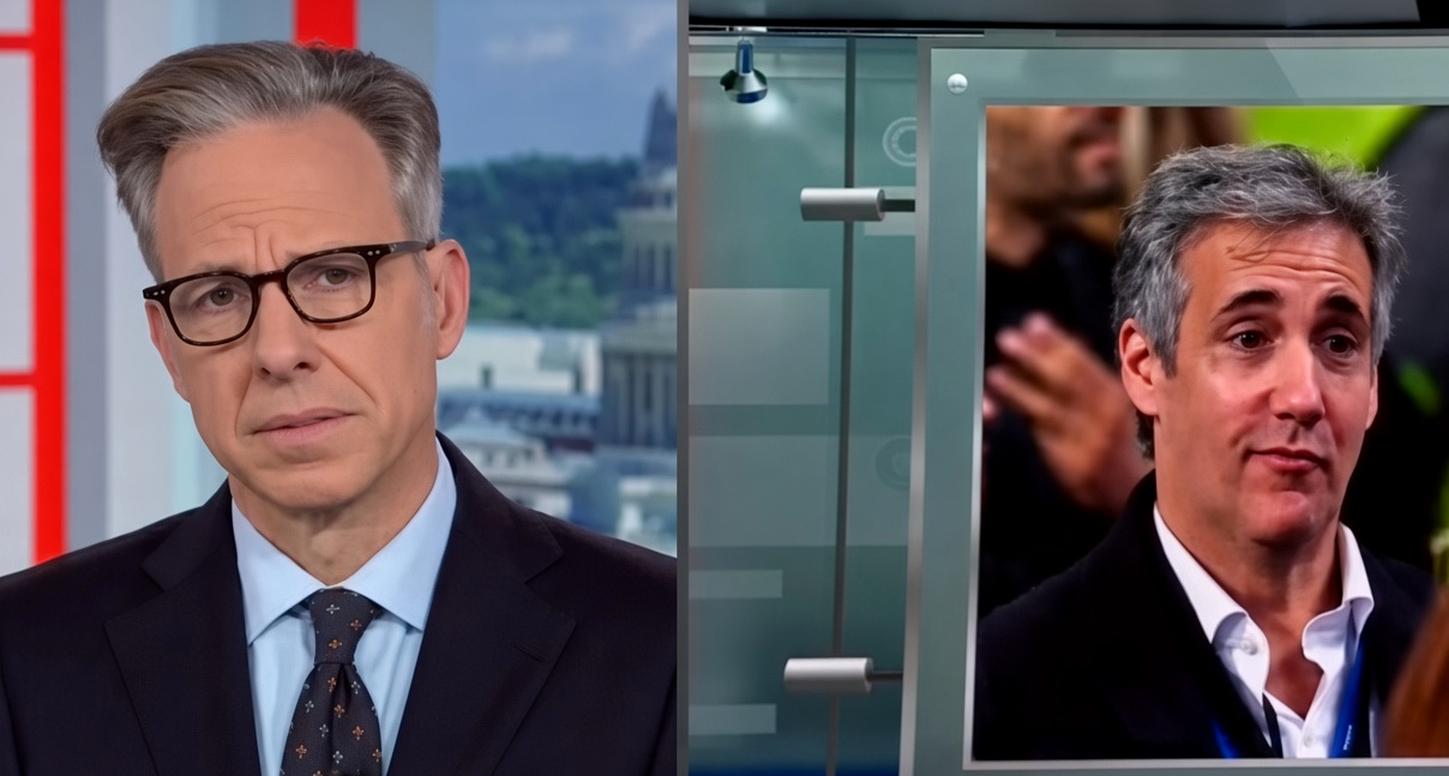
Jake Tapper asked a simple question. Michael Cohen refused to answer it.
Cohen, Trump’s former personal fixer turned star witness against him, announced this week that he’s publishing a podcast interview with Trump, prompting real questions about where things actually stand between the two men. Tapper pressed him directly on CNN. “You testified under oath that President Trump directed you to commit crimes. Do you stand by that?”
Cohen’s answer wasn’t an answer. “I will not discuss what I had
Said in the past, what I had stated under oath,” he said. “I will not go there simply because I want to live for the future.” He went further, framing the sworn testimony that helped convict Trump on 34 counts as something he now wants to leave behind entirely. “I refuse to be pulled back into yesterday’s news and yesterday’s headlines, so that a slew of people can turn around and start to try to pull it apart.”
Tapper didn’t let it slide, and it’s worth sitting with why. Cohen swore an oath, testified under it, and that testimony became part of the historical record in a criminal conviction. Deciding years later that revisiting it is inconvenient doesn’t make it less true. It just means Cohen would rather talk about forgiveness than accountability.
“This forgiveness does not require amnesia,” Cohen said, which is a nice line, except that walking away from your own sworn testimony the moment it becomes uncomfortable to discuss is functionally indistinguishable from amnesia. Thank you, Jake Tapper, for asking the question directly instead of letting Cohen’s talk of reconciliation paper over what he actually swore to under oath.
BREAKING: Jake Tapper Corners Michael Cohen Over Refusal to Stand by His Own Sworn Testimony Against Trump
Jake Tapper asked a simple question. Michael Cohen refused to answer it.
Cohen, Trump’s former personal fixer turned star witness against him, announced this week that he’s publishing a podcast interview with Trump, prompting real questions about where things actually stand between the two men. Tapper pressed him directly on CNN. “You testified under oath that President Trump directed you to commit crimes. Do you stand by that?”
Cohen’s answer wasn’t an answer. “I will not discuss what I had
Said in the past, what I had stated under oath,” he said. “I will not go there simply because I want to live for the future.” He went further, framing the sworn testimony that helped convict Trump on 34 counts as something he now wants to leave behind entirely. “I refuse to be pulled back into yesterday’s news and yesterday’s headlines, so that a slew of people can turn around and start to try to pull it apart.”
Tapper didn’t let it slide, and it’s worth sitting with why. Cohen swore an oath, testified under it, and that testimony became part of the historical record in a criminal conviction. Deciding years later that revisiting it is inconvenient doesn’t make it less true. It just means Cohen would rather talk about forgiveness than accountability.
“This forgiveness does not require amnesia,” Cohen said, which is a nice line, except that walking away from your own sworn testimony the moment it becomes uncomfortable to discuss is functionally indistinguishable from amnesia. Thank you, Jake Tapper, for asking the question directly instead of letting Cohen’s talk of reconciliation paper over what he actually swore to under oath.