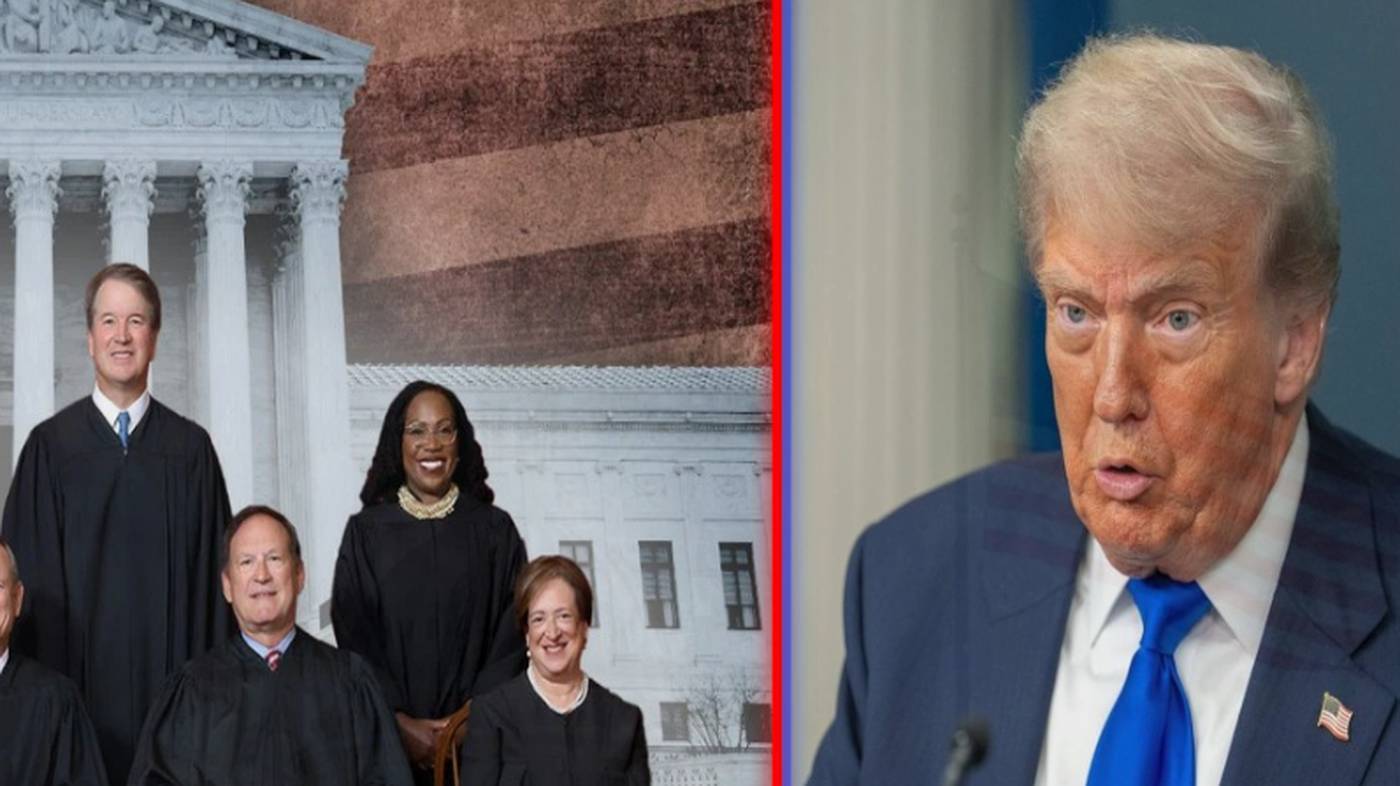
The United States Supreme Court ruled 5-4 on Tuesday that a federal law shielding the U.S. Postal Service from liability for lost or misdelivered mail also bars lawsuits alleging intentional misdelivery.
The Court concluded that the statute’s protections extend to mail that was
In U. S. Postal Service v. Konan, Justice Clarence Thomas, writing for the majority, said the Federal Tort Claims Act (FTCA) preserves the Postal Service’s immunity from claims arising out of the “loss, miscarriage, or negligent transmission” of mail.
The Court concluded that the statute’s protections extend to mail that was intentionally misdelivered, not just negligently handled.
Justice Sonia Sotomayor dissented, joined by Justices Elena Kagan, Neil Gorsuch, and Ketanji Brown Jackson.
The dispute arose from a long-running conflict in Euless, Texas, between
In her dissent, Sotomayor argued that the majority’s interpretation grants the Postal Service broader immunity than Congress intended.
The dispute arose from a long-running conflict in Euless, Texas, between landlord Lebene Konan and local postal workers.
Konan sought to have her mail and that of her tenants delivered to a shared mailbox at her property. Postal workers instead frequently held the mail at the post office or returned it to senders.
The Supreme Court’s decision addressed only Konan’s claims against the Postal
Konan filed suit against the U. S. Postal Service, two postal employees, and the United States. She alleged emotional distress and interference with her business.
The Supreme Court’s decision addressed only Konan’s claims against the Postal Service and the federal government under the Federal Tort Claims Act.
The ruling did not resolve her other claims against individual postal employees.
That provision shields the government from liability for claims “arising out of
The case asked the Supreme Court to resolve a split among federal appeals courts over the scope of the Federal Tort Claims Act’s “postal exception.”
That provision shields the government from liability for claims “arising out of the loss, miscarriage, or negligent transmission of letters or postal matter.”
The federal government argued that the exception applies to Konan’s claims because the intentional nondelivery of mail qualifies as a “loss” or “miscarriage” under the statute.
In the decision, a majority of justices agreed with the government
Konan countered that the exception applies only to negligent conduct.
In the decision, a majority of justices agreed with the government.
Writing for the majority, Thomas concluded that the statutory terms encompass intentional failures to deliver mail.
He also explained the scope of the U
Thomas said the ordinary meanings of “miscarriage” and “loss” support that interpretation.
He also explained the scope of the U. S. Postal Service’s work, noting that in 2024 the Postal Service’s more than 600,000 employees delivered more than 112 billion pieces of mail.
In her dissenting opinion, Sotomayor rejected the majority’s interpretation of “loss” and “miscarriage,” contending that its reading transforms the exception Congress enacted.