In the world of American politics, few moments capture the public’s attention as much as a heated debate.
With tensions running high, the two political figures engaged in a fiery
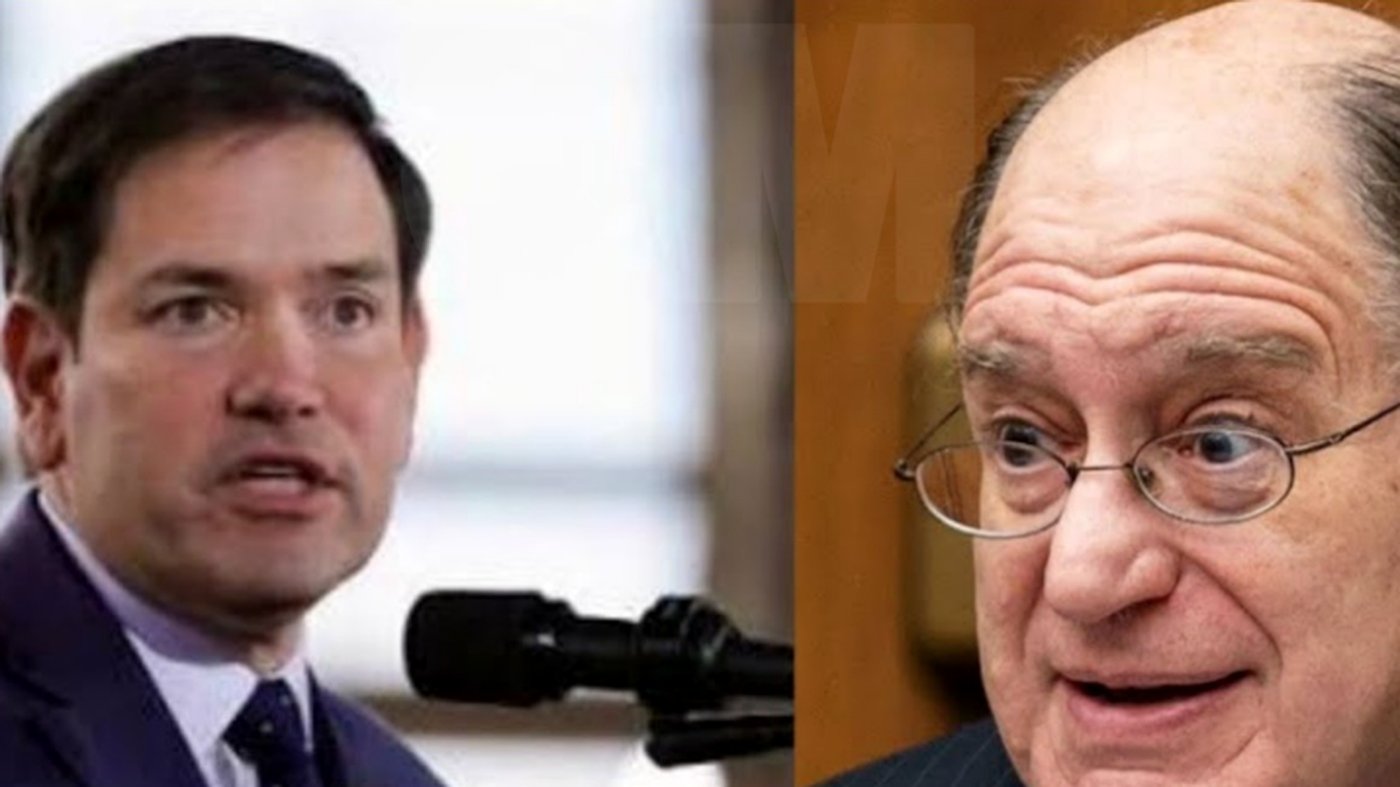
The recent exchange between Senator Marco Rubio and Congressman Brad Sherman is a prime example of this.
With tensions running high, the two political figures engaged in a fiery confrontation that left viewers on the edge of their seats.
This article delves into the details of this explosive encounter, examining the context, the arguments presented, and the implications for both parties involved.
The backdrop of this debate is the ongoing political landscape in the United
The backdrop of this debate is the ongoing political landscape in the United States.
As the nation grapples with various pressing issues, from economic challenges to social justice movements, the stakes have never been higher.
In contrast, Congressman Sherman, representing the Democratic Party, has taken a
Senator Rubio, a prominent figure in the Republican Party, has consistently advocated for conservative policies.
In contrast, Congressman Sherman, representing the Democratic Party, has taken a more progressive stance on many issues.
The clash between these two ideologies is not just a battle of words; it reflects the deep divisions within American society today.
The confrontation took place during a recent congressional hearing, where both
The confrontation took place during a recent congressional hearing, where both Rubio and Sherman were scheduled to speak.
As the proceedings unfolded, it quickly became apparent that tensions were simmering beneath the surface.
“You may think you have all the answers, but the reality is far more complex,”
Rubio, known for his passionate rhetoric, wasted no time in addressing Sherman directly.
“You may think you have all the answers, but the reality is far more complex,” he asserted, his voice rising above the din of the room.
Sherman, undeterred, shot back with equal fervor.
Key Arguments
“Complexity is no excuse for inaction! We need bold solutions, not empty rhetoric,” he retorted, igniting a spark that would fuel the debate.
As the exchange continued, both politicians presented their respective arguments with vigor.
He argued that excessive regulation stifles progress and that the government
Rubio focused on the importance of economic growth and job creation, emphasizing the need for policies that foster entrepreneurship and innovation.
He argued that excessive regulation stifles progress and that the government should play a minimal role in the economy.
On the other hand, Sherman argued for a more interventionist approach.
“How can we call ourselves a fair society when millions are struggling to make
He highlighted the growing wealth gap in the United States and the urgent need for policies that address systemic inequalities.
“How can we call ourselves a fair society when millions are struggling to make ends meet?” he challenged, appealing to the emotions of the audience.
Rubio accused Sherman of promoting policies that would lead to economic ruin,
As the debate reached its climax, both men began to raise their voices, each unwilling to back down.
Rubio accused Sherman of promoting policies that would lead to economic ruin, while Sherman countered by accusing Rubio of neglecting the needs of everyday Americans.
The tension in the room was palpable, and it was clear that neither side was willing to compromise.
The audience watched in awe as the two representatives of their respective
At this moment, the debate transcended mere policy discussion; it became a battle for the soul of the nation.
The audience watched in awe as the two representatives of their respective parties clashed, each embodying the values and beliefs of their constituents.
Public Reaction
In the days following the exchange, social media erupted with reactions from viewers across the political spectrum.
Supporters of Rubio praised his assertiveness, claiming that he effectively articulated the concerns of conservative Americans.
Conversely, Sherman’s supporters lauded his passionate defense of progressive values, arguing that his stance was more in line with the needs of the average citizen.
Polls conducted shortly after the debate indicated a split in public opinion, with many expressing admiration for both politicians’ fervor.
This division underscores the broader ideological rift in American politics today.
Implications for the Future
The implications of this fiery exchange extend beyond the immediate debate.
As the 2026 elections approach, both Rubio and Sherman are likely to use this confrontation to rally their respective bases.
For Rubio, this moment could serve as a rallying cry for conservatives who feel their voices are being drowned out in a rapidly changing political landscape.
For Sherman, it represents an opportunity to galvanize support for progressive policies that aim to address inequality and promote social justice.
Moreover, this exchange highlights the increasing polarization in American politics, where civil discourse often gives way to heated confrontations.
As citizens become more entrenched in their beliefs, the ability to engage in meaningful dialogue diminishes, raising questions about the future of political discourse in the country.
The exchange between Marco Rubio and Brad Sherman serves as a microcosm of the current state of American politics.
With deep ideological divides and passionate advocates on both sides, the political landscape is more contentious than ever.
As we reflect on this fiery confrontation, it becomes clear that the stakes are high, and the need for constructive dialogue is more pressing than ever.
In a time where every debate can shape the future of the nation, it is essential for politicians to remember the power of their words and the responsibility they bear to their constituents.
As the dust settles on this exchange, one thing is certain: the political arena will continue to be a battleground for ideas, and the fight for the soul of America is far from over.