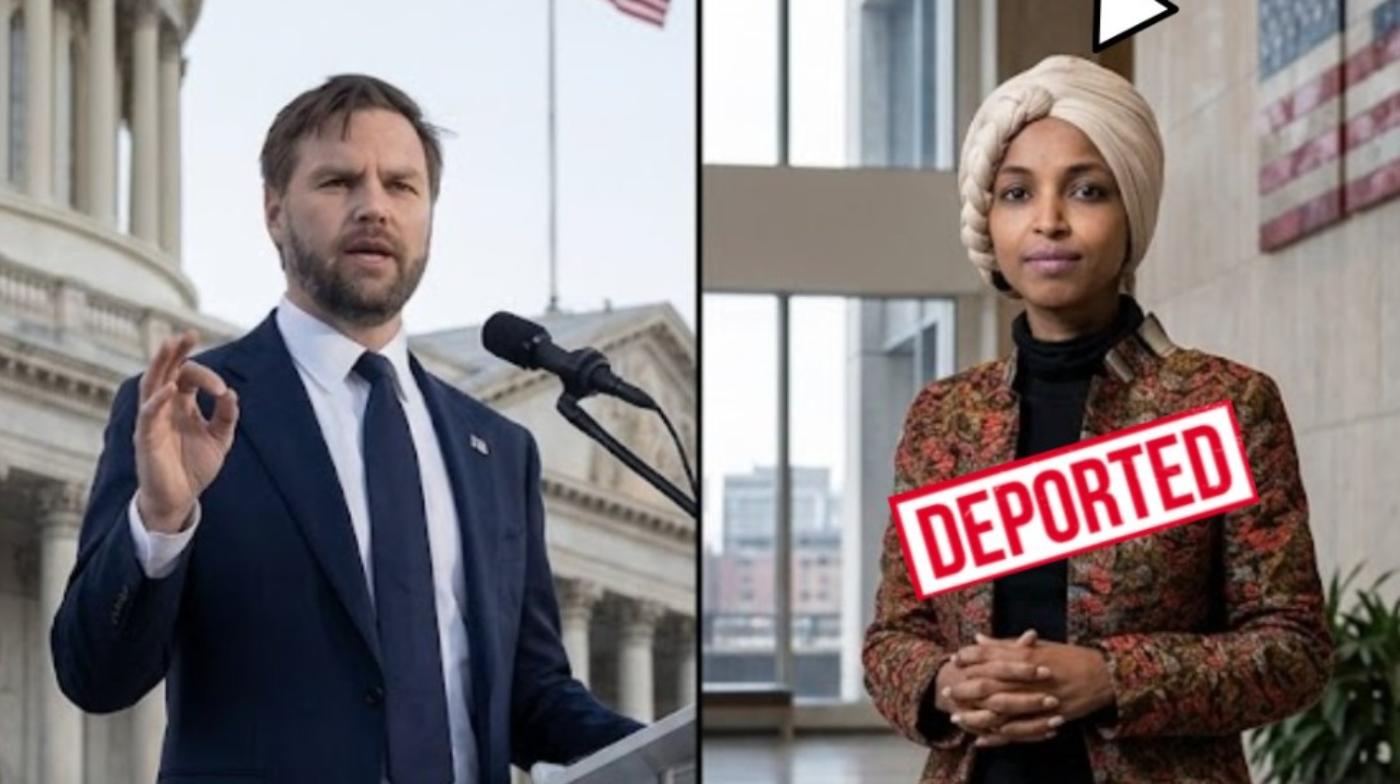
Recent claims involving Ilhan Omar have circulated for years, including allegations about immigration fraud tied to her past. However, it’s important to be clear: these allegations have never been proven in court, and Omar has repeatedly denied them. No formal charges or legal findings have established that she committed immigration fraud.
Comments attributed to figures like JD Vance have amplified the issue politically, but in the United States, accusations—no matter how serious—require evidence, investigation, and due process before any legal action can be taken.
The idea of denaturalization is also often misunderstood. It is a rare and legally complex process that applies only in specific cases where clear fraud is proven in court. Being a U.S. citizen—like Omar—means constitutional protections apply fully, and any attempt to revoke citizenship must meet a very high legal standard.
This situation reflects a broader issue in modern politics: the gap between political rhetoric and legal reality. Strong claims can gain attention quickly, but actual consequences depend on courts, evidence, and established law—not public opinion or political pressure alone.
At its core, this debate isn’t just about one individual—it’s about how seriously the system treats accusations, how evidence is handled, and how the rule of law is applied equally to everyone.