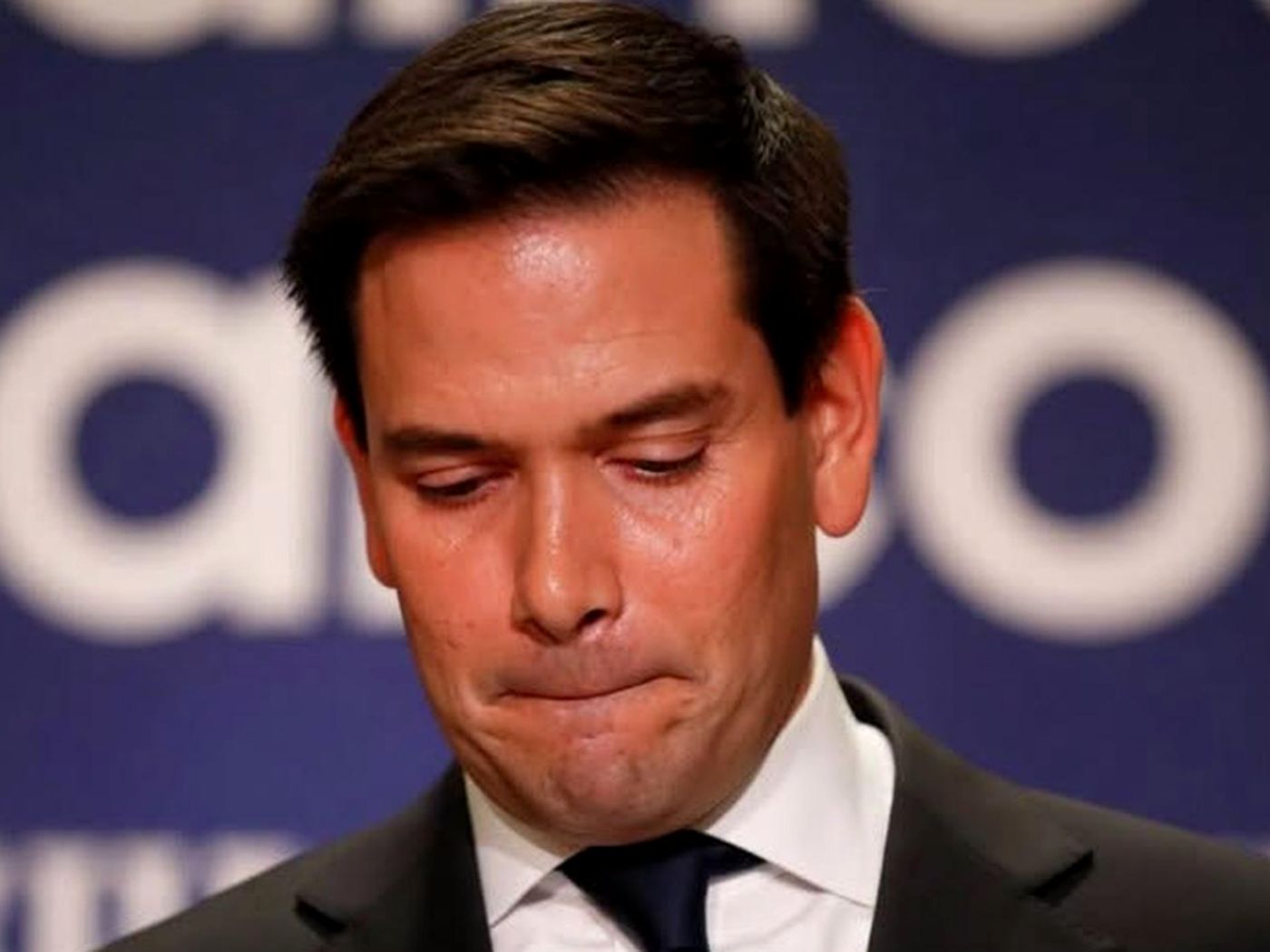
Marco Rubio Power Shift Reshapes Oversight Role
Instead, it represents a subtle transfer of authority within government structures.
Marco Rubio now oversees an office that operates outside public visibility. This office plays a decisive role in shaping federal regulations.
It does not pass laws or command agencies. However, it controls
Whether regulatory proposals move forward.
This office acts as a checkpoint for proposed rules The Marco Rubio power shift highlights the importance of regulatory gatekeeping. This office acts as a checkpoint for proposed rules.
Environmental, labor, and public health regulations must pass through it. Therefore, its influence reaches across multiple policy areas.
Agencies may spend years developing rules. However, this office
Can delay or halt them indefinitely.
The office can request revisions or extend reviews without deadlines The Marco Rubio power shift underscores how authority can function quietly. The office can request revisions or extend reviews without deadlines.
No public vote or hearing is required. Additionally, decisions often come without explanation.
This process creates outcomes through absence rather than
Action. A rule that never appears leaves little trace.
For decades, this system remained largely unnoticed Its technical nature and opacity limited public scrutiny.
Growing Scrutiny of Hidden Authority The Marco Rubio power shift arrives as public attention increases. Concerns about government transparency have intensified.
Observers now question how such authority is exercised
Meanwhile, trust in institutions continues to face challenges.
Supporters argue this oversight ensures efficiency They believe it prevents unnecessary or redundant regulations.
Debate Over Accountability and Transparency The Marco Rubio power shift has intensified debate about accountability. Critics argue that concentrated power lacks oversight.
They say decisions made behind closed doors avoid public
Review. Therefore, there is no clear process to challenge outcomes.
Supporters, however, maintain that centralized review improves coordination They argue it ensures economic and policy consistency.
This tension between efficiency and transparency continues. It reflects broader concerns about governance.
Rubio’s Role in Shaping the Process The Marco Rubio power shift
Places responsibility on his leadership approach. His role focuses on how the office functions daily.
Observers will watch operational decisions closely These include timelines, consistency, and communication with agencies.
His background suggests familiarity with both public messaging and institutional strategy. Therefore, expectations remain high.
The impact will not come from public statements. Instead, it
Will emerge through internal processes.
Greater transparency could change public perception The Marco Rubio power shift raises questions about future reforms. Greater transparency could change public perception.
Publishing timelines and decision criteria may improve trust. Additionally, clearer communication could reduce uncertainty.
However, the alternative remains possible. Delays and silent
Decisions may continue shaping outcomes.
This dynamic influences how policies develop or disappear It also affects public confidence in government systems.
Broader Implications for Governance The Marco Rubio power shift reflects a broader reality in Washington, D. C. Power often operates through procedural control rather than public debate.
Many key decisions occur outside visible institutions
Therefore, their impact is felt without clear attribution.
This moment highlights growing awareness of hidden mechanisms As scrutiny increases, attention may remain on these systems. The focus now extends beyond visible political conflict.