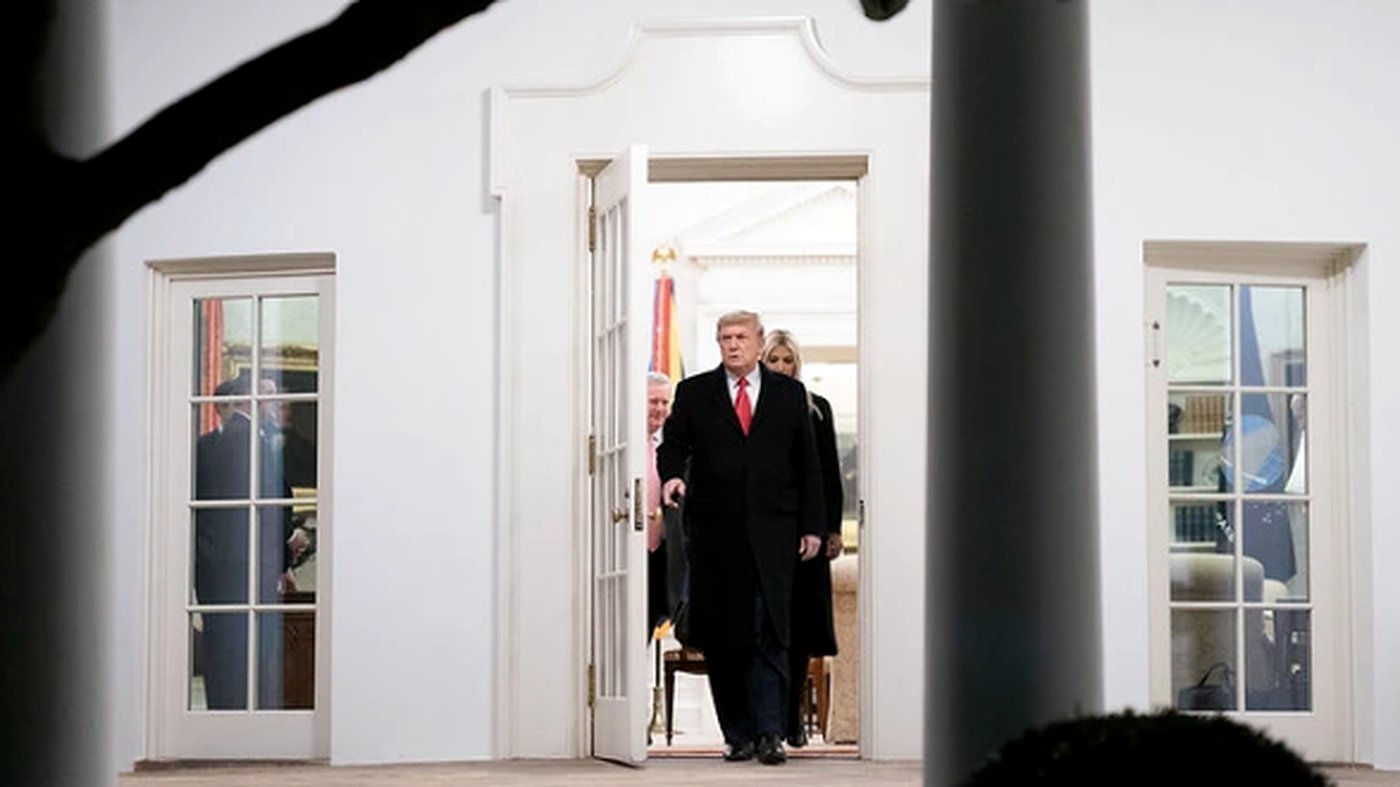
WASHINGTON, D.C. — APRIL 29, 2026 — President Donald Trump has issued a final warning to Iranian leadership, signaling that his patience has reached a breaking point following recent provocations in the Strait of Hormuz.
Despite reports of the Iranian military firing upon vessels despite prior authorization to proceed, the President has made it clear that the U.S. is prepared to shift from diplomatic efforts to “significant force” if a resolution is not achieved immediately.
I. The Ultimatum: Infrastructure at Risk In a series of posts on social media, President Trump outlined the potential consequences for Iran should the latest round of peace negotiations in Islamabad, Pakistan, fail.
The Threat: Trump explicitly stated that the United States would target “every single power plant, and every single bridge, in Iran” if a deal is not reached.
“No More Mr. Nice Guy”: Emphasizing that he is ready to take decisive action, the President remarked: “It’s time for the Iran killing machine to end.
” * Previous Warnings: This rhetoric echoes threats made by the President earlier in April, during which he warned that the United States could dismantle Iran’s critical infrastructure in a matter of hours.
The Diplomatic Standoff. The administration is currently grappling with how to handle an Iranian proposal aimed at reopening the Strait of Hormuz
II. The Diplomatic Standoff The administration is currently grappling with how to handle an Iranian proposal aimed at reopening the Strait of Hormuz.
The Proposed Deal: Under a recent proposal being weighed by the White House, Iran would reopen the crucial waterway to maritime traffic in exchange for the U.S. lifting its blockade of Iranian ports. Notably, this proposal seeks to delay discussions regarding Iran’s nuclear program.
Administration Skepticism: While Secretary of State Marco Rubio acknowledged the offer was “better” than expected, the administration remains hesitant. The White House has indicated that the nuclear question is a primary driver of the conflict and cannot be sidelined indefinitely.
Negotiation Hurdles: Despite the scheduled talks in Islamabad, sources suggest the Iranian delegation may be hesitant to appear, further complicating the prospects for a peaceful resolution
Negotiation Hurdles: Despite the scheduled talks in Islamabad, sources suggest the Iranian delegation may be hesitant to appear, further complicating the prospects for a peaceful resolution.
III. Strategic Context: Blockade and Economic Pressure As of late April 2026, the U.S. and Iran remain locked in a mutual blockade that has significantly impacted the global economy.
Extended Blockade: Reports indicate that President Trump has instructed his aides to prepare for a continued, extended blockade of Iran’s ports.
Assessing the risks, the administration has opted to maintain this economic pressure rather than resume intensive bombing or abandon the conflict entirely.
Gasoline prices have recently hit levels not seen since 2022
Energy Impact: The disruption in the Strait of Hormuz—a vital transit point for a significant portion of the world’s oil—has led to rising energy costs, with U.S. gasoline prices recently hitting levels not seen since 2022.
State of Collapse: In recent public comments, President Trump has claimed that Iranian leadership is currently in a “state of collapse” and struggling with internal infighting, suggesting that the regime is looking for a way to resolve the conflict as soon as possible.